

The Nature Conservancy

50x50: A New Jersey Land Conservation Vision
One third of our lands in New Jersey are preserved, one third are developed, and the future of the remaining third is undecided. With strong leadership and coordination, New Jersey can preserve 500,000 acres of the most important remaining natural and cultural land resources to support healthy and vibrant communities, all with existing conservation funding.
Why Now?
New Jersey is rapidly approaching “functional build-out,” a time when all land is either conserved or developed. As we accelerate toward that reality, development has surged while conservation has hit historic lows in our state. That means every unprotected New Jersey acre is now at real risk of being lost just as communities are calling for more open space and the cleaner water, flood protection, wildlife habitat, outdoor recreation space and economic benefits it provides. Residents have already funded these desired outcomes through the Corporate Business Tax, permanently approved in 2014, but administrative hurdles and a lack of state conservation vision have slowed meaningful progress in achieving them.
The Economic Benefits of New Jersey’s Nature
50x50 strengthens property values, supports jobs and grow New Jersey’s economy.
-

143,000
Jobs supported across the state
-

Lands
Public parks and lands in New Jersey are worth $17.2 billion
-

$18.9 B
Outdoor recreation spending brings in $18.9 billion annually
-

$1.2 B
Tax Revenue from outdoor recreation is $1.2 billion annually

What’s at Stake?
Open space in New Jersey provides clean drinking water and fresh food for millions of residents, drives billions of dollars in economic benefits and offers many other services that the state cannot afford to lose. To protect these resources and preserve our identity as the Garden State, New Jersey must adopt the 50x50 acreage goal, solidifying our role as a national conservation leader in the process.

What is 50x50?
A land conservation framework, created by more than 70 experts, stakeholders and residents.


50x50 is a land conservation framework for New Jersey. It protects nature by calling for commitment and action to protect 50% or about 500,000 acres of the most important remaining natural lands in New Jersey by the year 2050. It streamlines processes by providing state leaders and agencies with modernization tools to cut delays, accelerate open-space protection and secure priority land before the window closes. It fulfills voter directive by accomplishing what voters asked the state to do in 2014—use Corporate Business Tax revenues to permanently fund open space, farmland and historic preservation—with existing funding. Finally, it sets an example, protecting New Jersey’s legacy as the Garden State and positioning us as a model for other states as they move toward buildout.
From 5,000 to 25,000 Acres: Closing the Gap to Reach 50x50
To reach 50x50, we need to conserve at least 25,000 acres per year, but we are currently averaging less than 5,000. By implementing the 50X50’s action campaign with its updated tools and reinvigorated investments, New Jersey will preserve the natural assets that make the state competitive, resilient and beautiful. We have a narrow time frame to ensure that our landscape legacy includes clean water—not just warehouses—and dragonflies along with data centers, but that window is closing quickly.
Explore the Benefits of 50x50
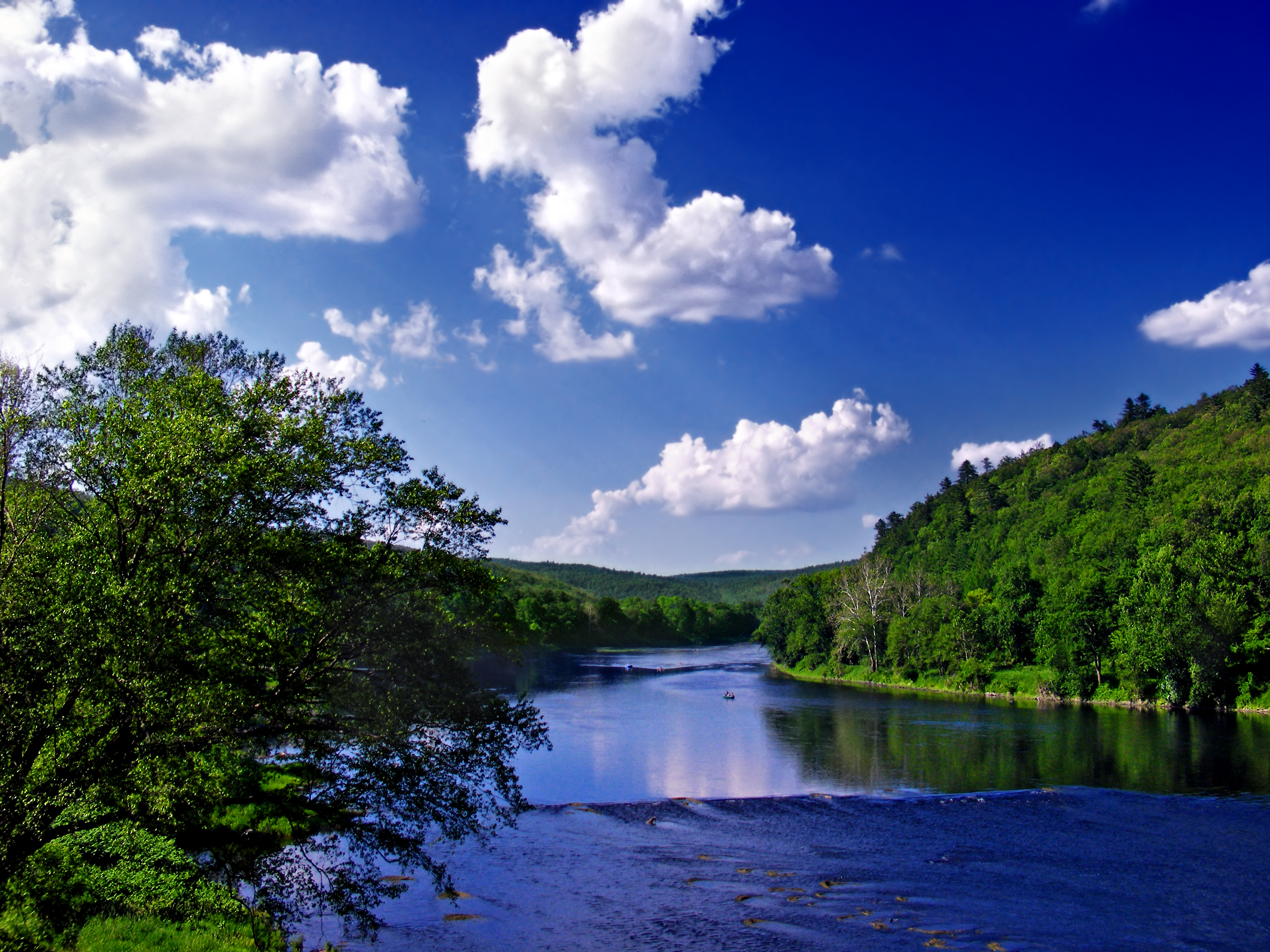
Clean Water
- Conserved forests provide free filtration for New Jersey’s reliable, inexpensive and clean drinking water sources. Every 10 percent increase in forest cover decreases water treatment and chemical costs by 20 percent.1 And, protecting land in one part of the state, like in the Delaware River Basin, benefits millions of people—locally and miles away.
- New Jersey industry depends on clean, forest-filtered water; without it the state stands to lose billions of dollars in economic investment.
- Water from the Highlands Region supports 70% of state residents, including many in urban centers, but the region contains 19,000 individual developable lots (~230 square miles) that if converted will impact drinking water.
- The 50X50 framework empowers conservation of critical areas that supply our drinking water.
1New Jersey Keep it Green Coalition
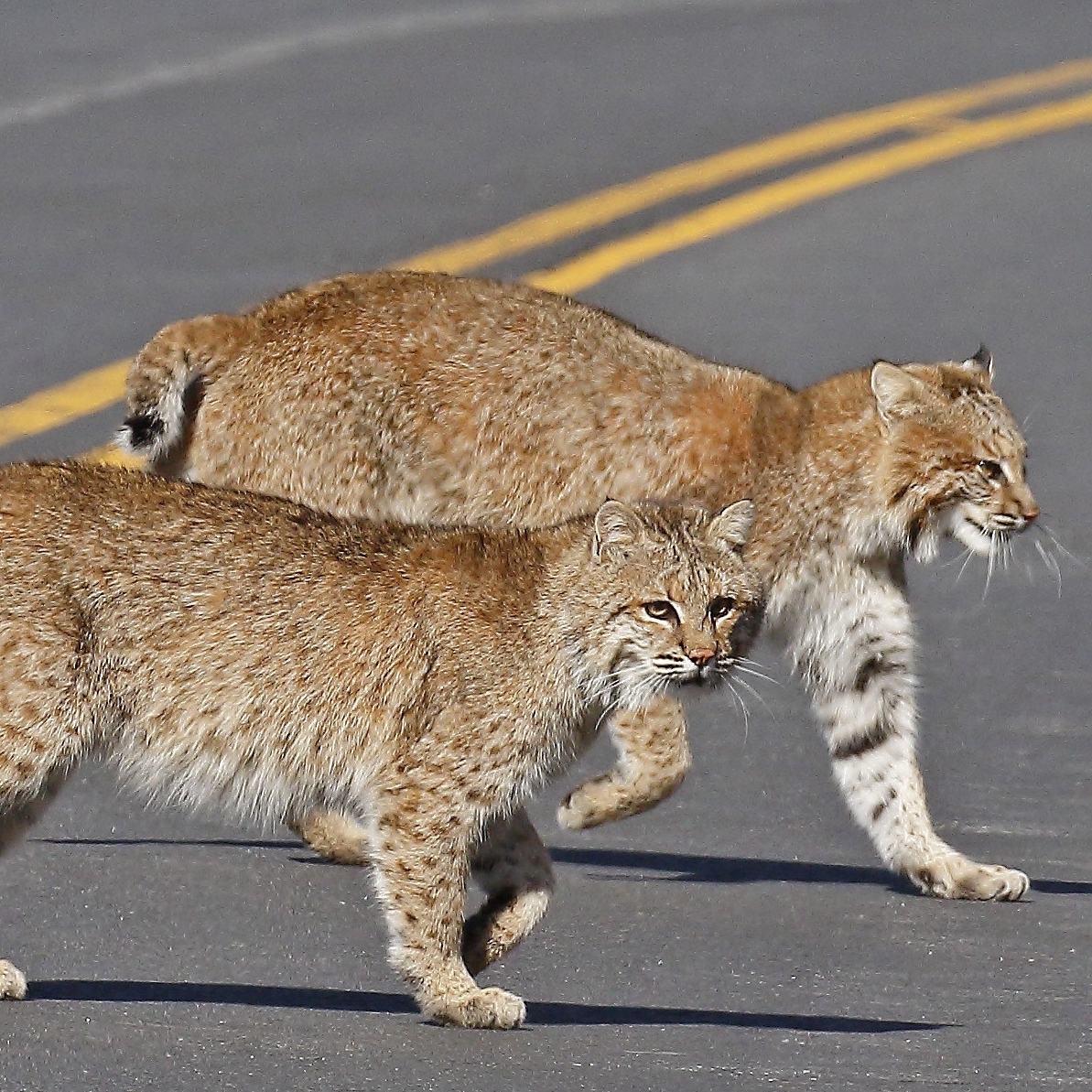
Wildlife
- New Jersey is home to 800+ animal species, but more than 10% of them are endangered. Habitat conversion and fragmentation for residential, commercial and infrastructure development remains the top threat to wildlife.
- Protected areas of our state are too frequently disconnected as “habitat islands” that do not allow wildlife to move freely through the landscape, which they must do to survive and reproduce. Isolated populations cannot persist over the long term.
- The 50x50 initiative gives us tools and funding to expand and connect priority habitats so wildlife can thrive.
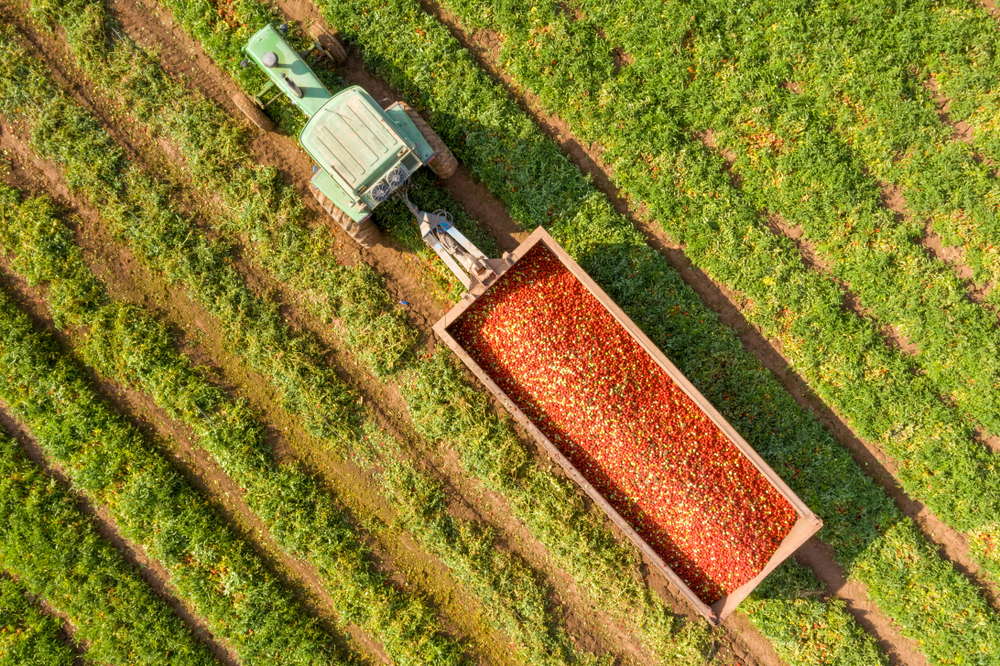
Agriculture
- Agriculture is New Jersey’s third largest industry, with nearly 10,000 farms bringing in roughly $1.5 billion in revenue annually, helping New Jersey live up to its “Garden State” nickname and serving as a major source of fresh produce for the Northeast region.
- Productive farmland covers more than 710,000 acres and is the largest single source of scenic vistas throughout the state, but only about 250,000 of those acres are permanently preserved.
- The 50X50 framework accelerates farmland preservation that maintains our state’s uniquely diverse character; invests tax dollars directly in New Jersey farmers, ranchers, fishermen, and communities; and increases the amount of local, high quality food reaching residents and businesses.
Economics
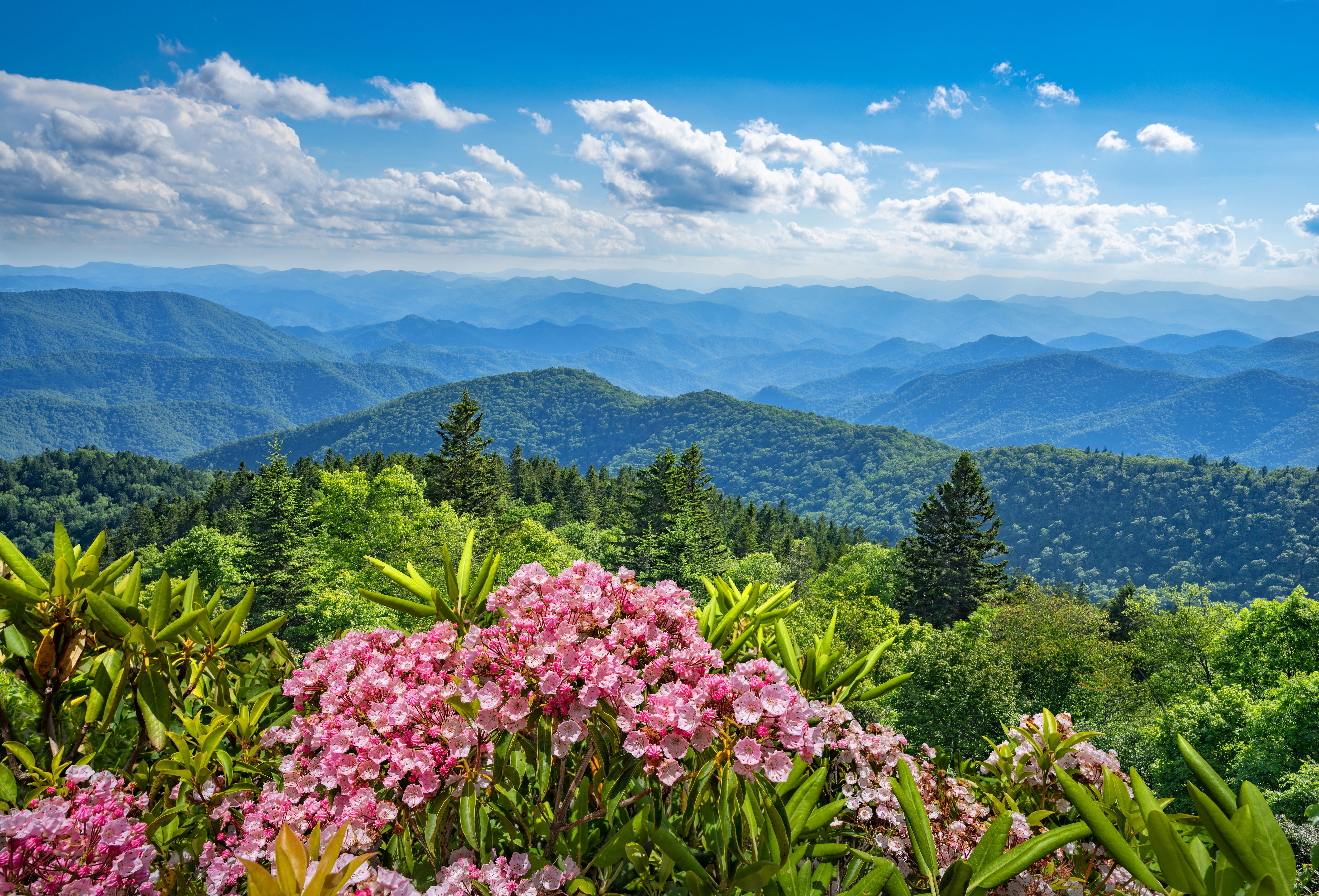
- Nature in New Jersey provides a spectacular canvas for residents and visitors to enjoy, powering a robust local recreation economy of $14.5 billion in annual spending, supporting 123,000 jobs (three times as many as the chemical industry), generating $1.2 billion in state and local taxes and providing $7.3 billion in wages and salaries.1
- Proximity to open space increases property values. When located near a preserved natural area, the price of an average home grows by 16 percent and vacant lot values increase by 35 percent. Parks contribute up to 20 percent of the value of homes in urban areas.2
- Conserving land and expanding green spaces through the 50x50 campaign supports property owners and powerful economic sectors.
1Outdoor Industry Association
2New Jersey Keep It Green Coalition
Community Resilience
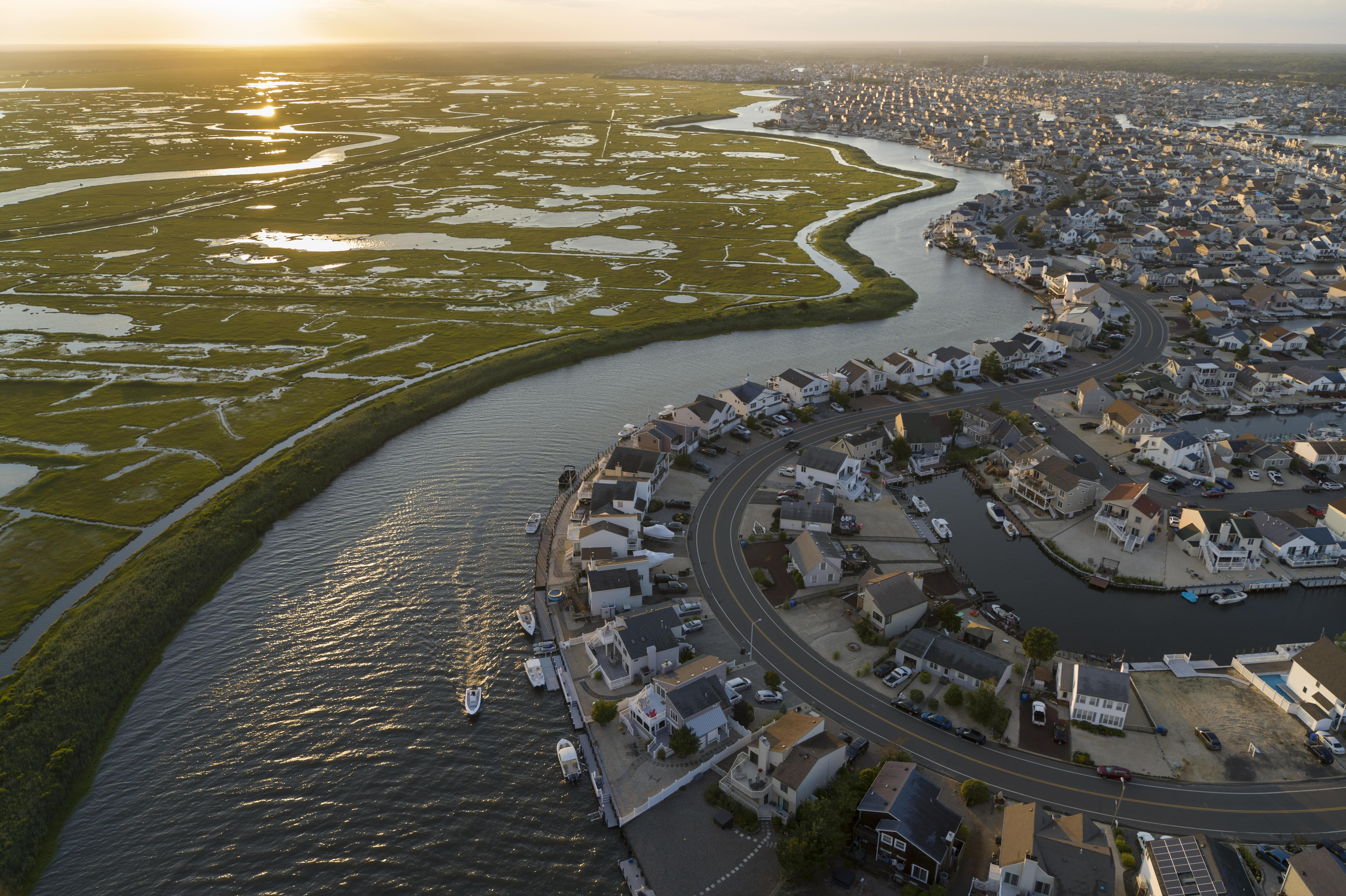
- New Jersey experienced 14 federally declared climate disasters between 2011 and 2024, with every one of the state’s 21 counties facing at least five disaster declarations.1
- Hurricanes, extreme rainfall, heat waves, and drought have cost taxpayers more than $7.9 billion in New Jersey, ranking the state fifth in the nation for per capita disaster spending.1
- Natural areas protected under the 50X50 plan function to ease impacts of flooding and other climate challenges. Forests, wetlands and floodplains absorb excess water during heavy rainfalls and storms; trees and vegetation slow winds and anchor soil. These services buffer communities from damage to roads, bridges, buildings and sewer lines, reducing the need for costly repairs.
1Rebuild by Design
50x50 in the Media
- Preserve 50% of land by 2050 to secure clean water for New Jersey
(The Bernardsville News) - Op-Ed: A message for the next governor about preserving New Jersey’s land
(NJ Spotlight) - An urgent call to preserve half of New Jersey’s land
(New Jersey Conservation Foundation)